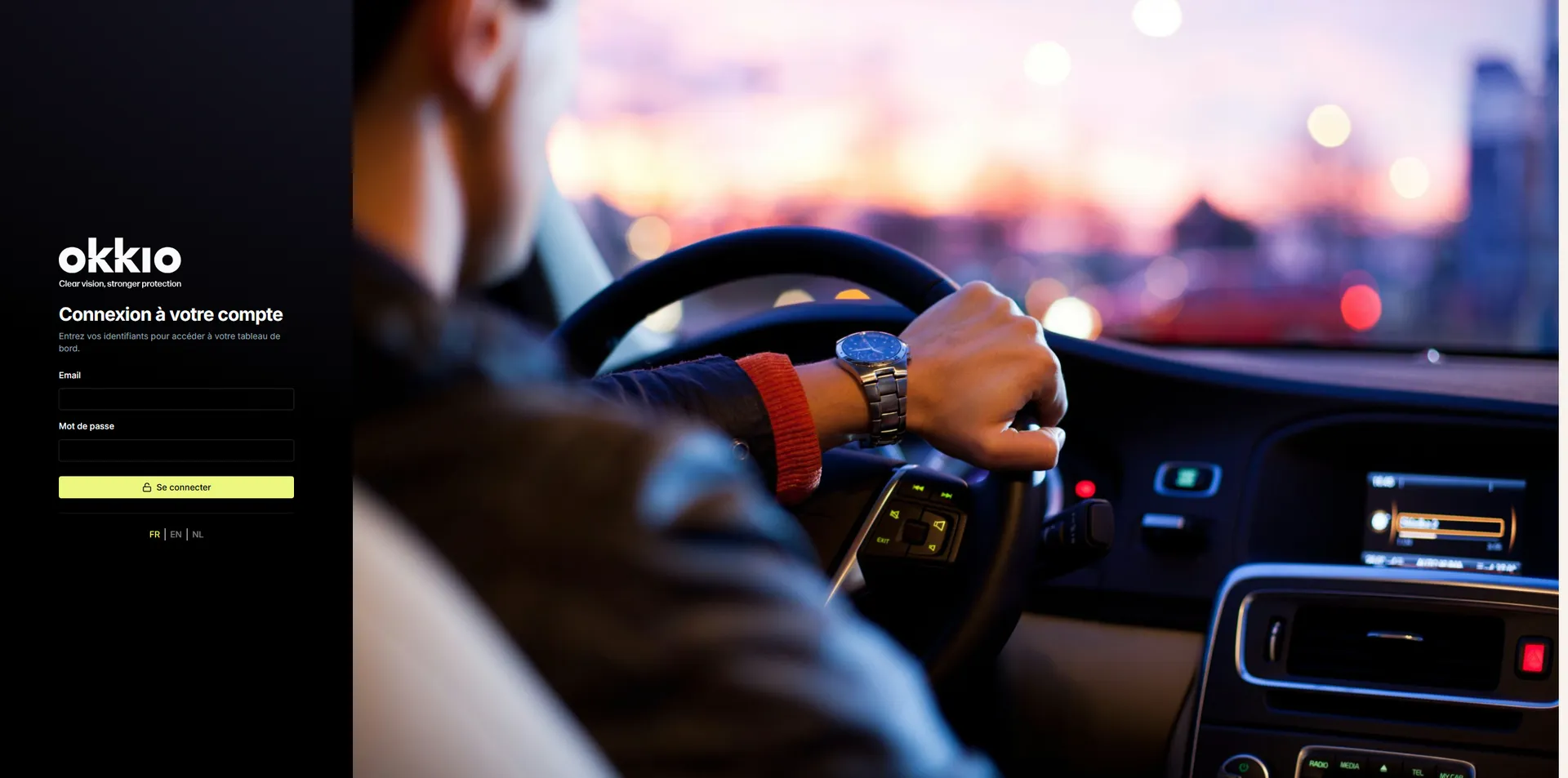
Okkio is a smart fleet protection and management solution designed for businesses. The platform connects on-board dashcams to a centralized web portal and a mobile application to automatically detect risky behaviors, analyze incidents, and provide actionable video evidence. Designed for fleet managers, it helps reduce accident-related costs, limit disputes, and improve driver safety.
Okkio was born from a simple observation: a standalone dashcam offers little value if its data is neither utilized nor centralized. Today, fleet managers face several recurring challenges: time lost managing accidents and disputes, difficulty in establishing liability during an incident, continuously rising insurance and repair costs, drivers exposed to unfounded claims, and the use of disparate tools, sometimes not GDPR compliant.
The project addresses these issues with a comprehensive fleet monitoring and management solution. Smart on-board cameras are connected to a centralized platform capable of automatically detecting key events such as phone use while driving, dangerous driving behaviors, or potential accidents. The solution then generates actionable video evidence, centralizes useful data, and immediately notifies relevant parties. Security thus becomes an operational, financial, and legal lever for businesses.
To structure product thinking, secure technical choices, and design the entire web platform and mobile application, Okkio enlisted DJM lab.
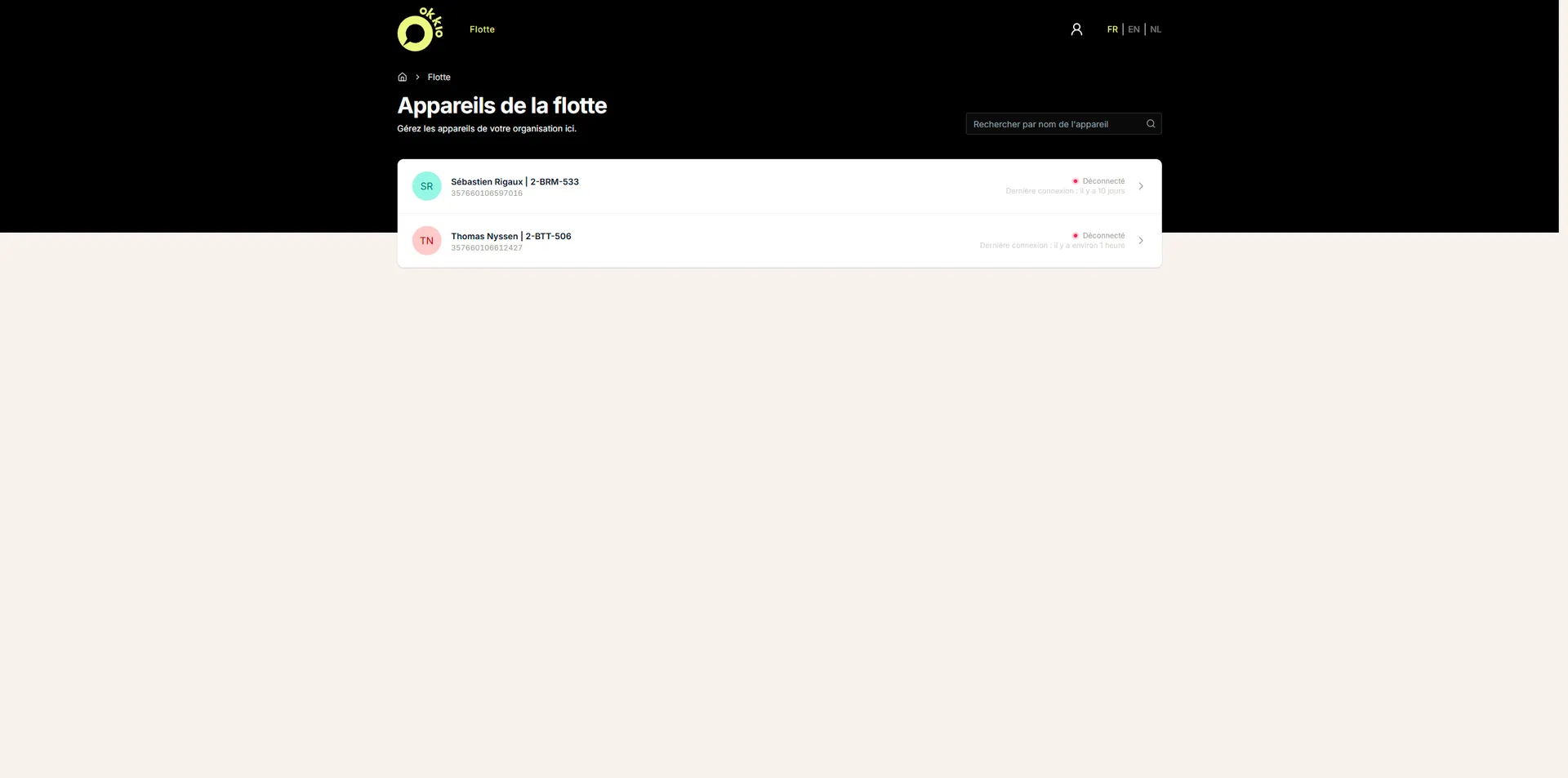
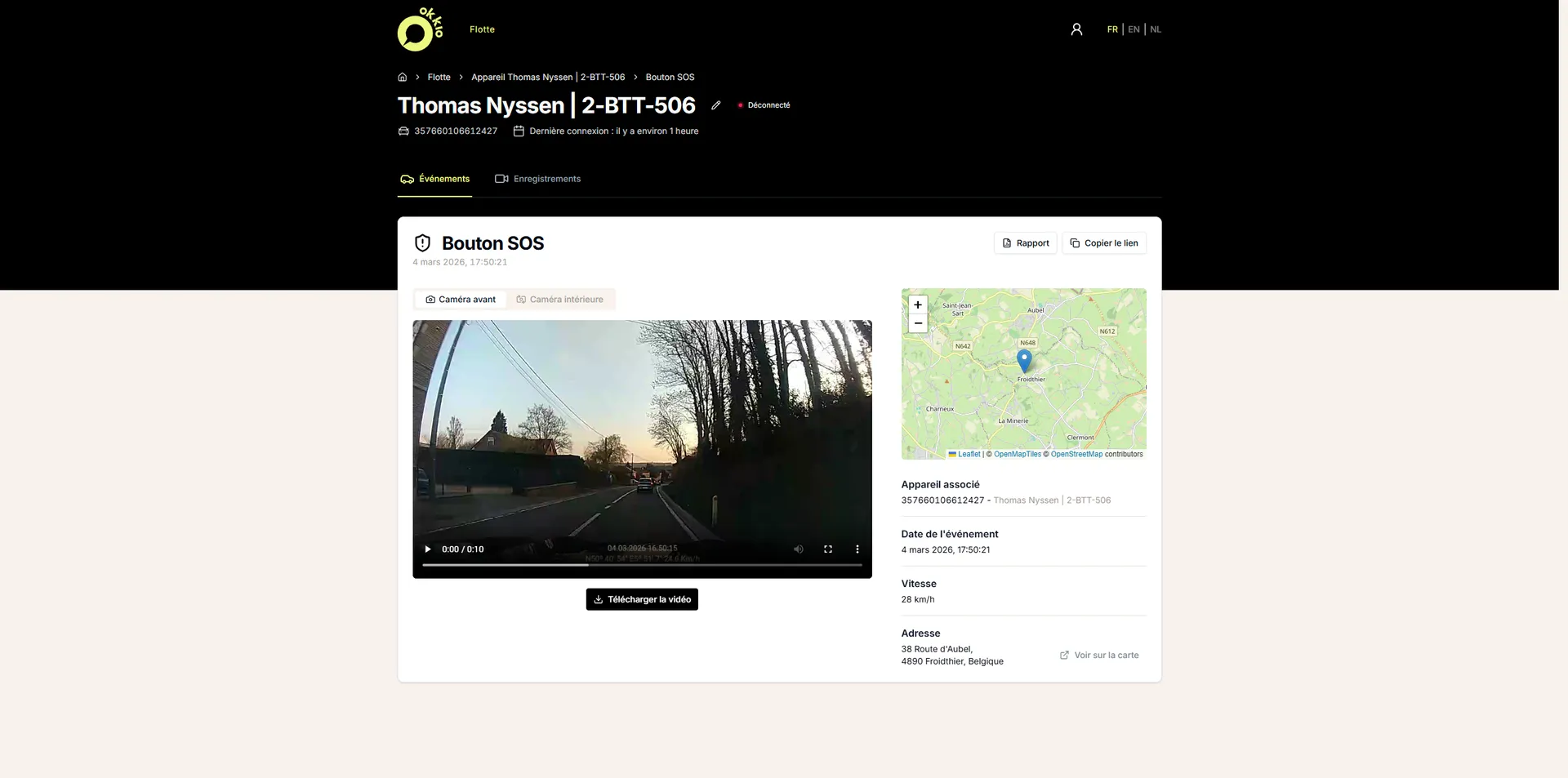
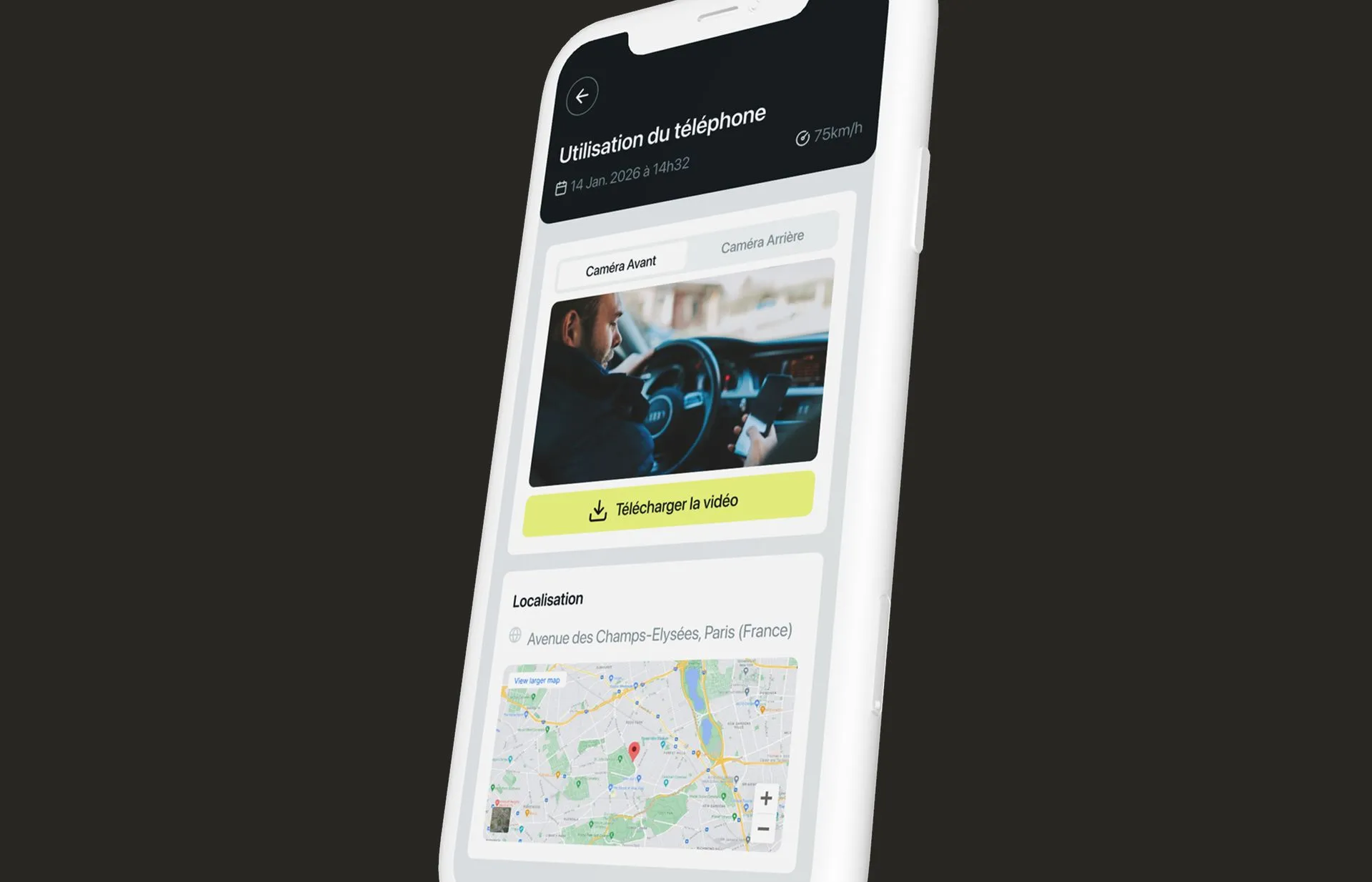
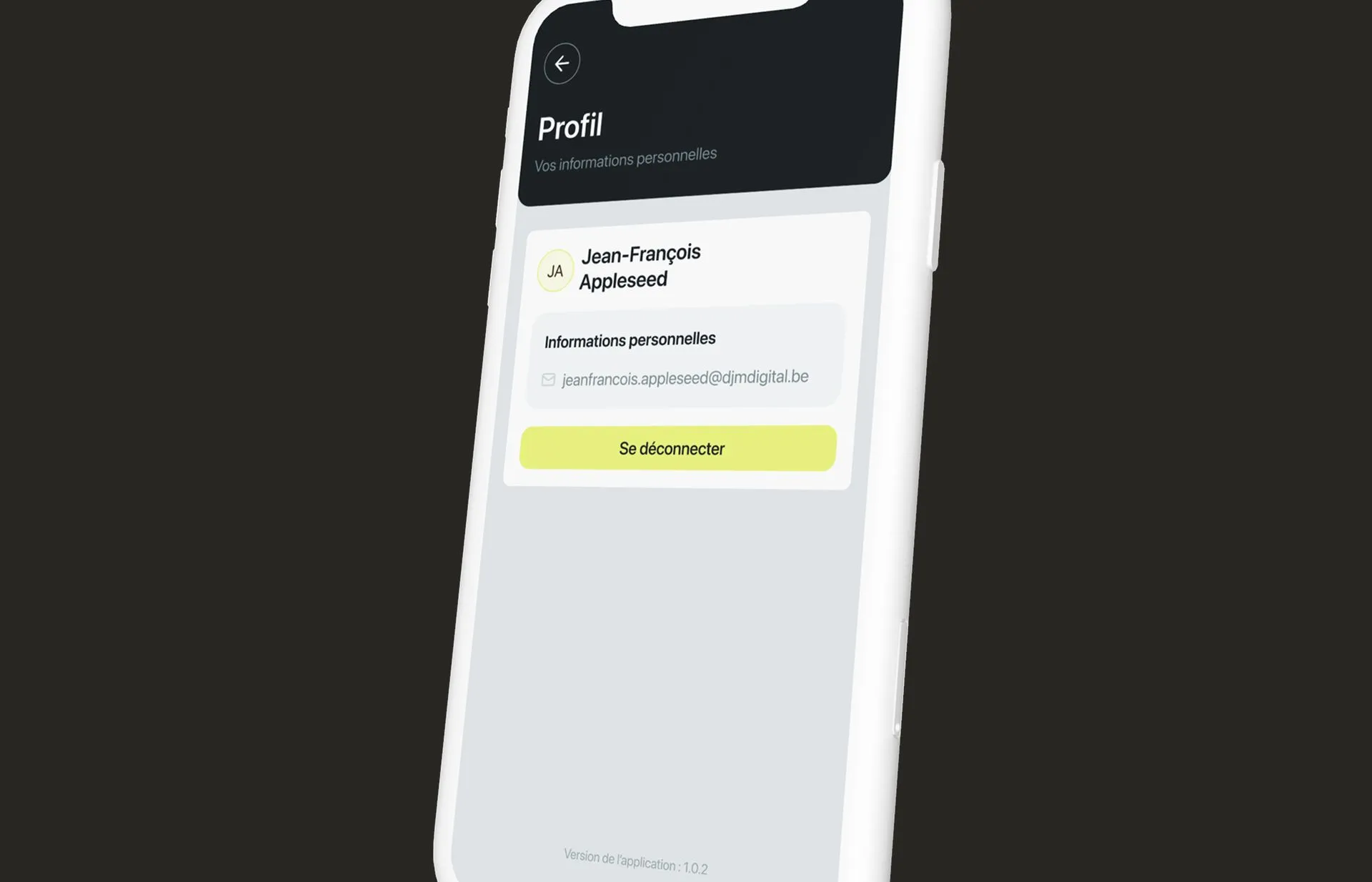
Before a single line of code was written, DJM lab intervened upstream to structure the product strategy. The first challenge: not starting from scratch on the hardware. Creating your own dashcam without a validated customer base means taking a disproportionate financial risk. We guided the founders towards a smarter approach: leveraging an existing technology partner for back-office and device management, and focusing efforts on the high-value-added front-end layer.
The choice then fell on Lytx for the back-office and hardware components, while DJM lab built on top of it: the web portal and mobile application, tailored for the specific needs of the European market.
Before launching full-scale development, we produced a V0 using vibe coding – a quickly built, functional first version to visualize the product, align stakeholders, and validate the scope. The goal isn't to deliver clean code; it's to deliver clarity.
This rapid prototyping approach using vibe coding allows for quick materialization of ideas, aligning project owners on a concrete vision, and validating use cases without committing to heavy, unnecessary development.
Once the prototype was validated, the entire solution was redeveloped from scratch to build a robust, sustainable, and scalable architecture. Vibe coding served as inspiration and a framework, not as a codebase. The reason is simple: maintaining automatically generated code without analyzing it exposes you to increasing problems as soon as the project evolves.
Two distinct deliverables were developed:
The product priority was clear from the start: functionality above all else. A fleet manager needs quick access to an incident video. Every interface decision was made with this in mind.
The platform followed a classic deployment cycle: internal testing, client validation, then production release. The solution is now live, hosted on 100% European cloud servers, GDPR compliant, and in the commercial deployment phase with initial fleet prospects.