MTTT Grillo was managing a significant part of its operations through a file that had become complex and unwieldy, structured across numerous tabs: employees, availability, projects, resources, and scheduling. The company had already tested various market solutions without finding a tool that truly matched their workflow.
The need was clear: to quickly have a simple, functional tool designed around their actual usage, rather than forcing their processes to fit an existing solution.
DJM lab began by analyzing how the teams worked on a day-to-day basis. In-depth analysis on-site and a review of the existing Excel file helped identify the information actually used, the necessary screens, and distinguish essential features from secondary elements.
The goal was not to build a complex platform. We prioritized a first functional version, developed in a few days, then tested directly by the teams before continuing its evolution.
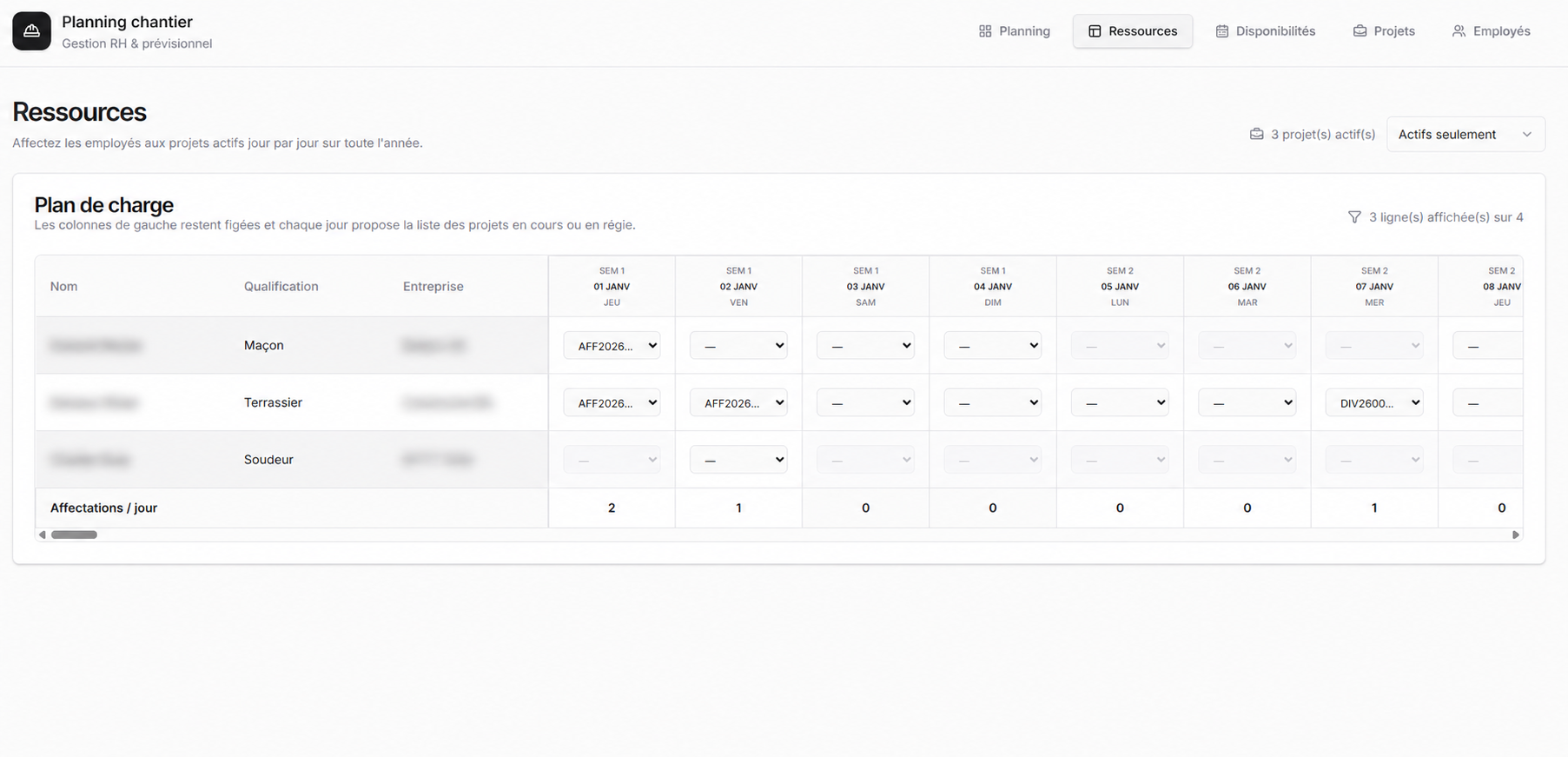
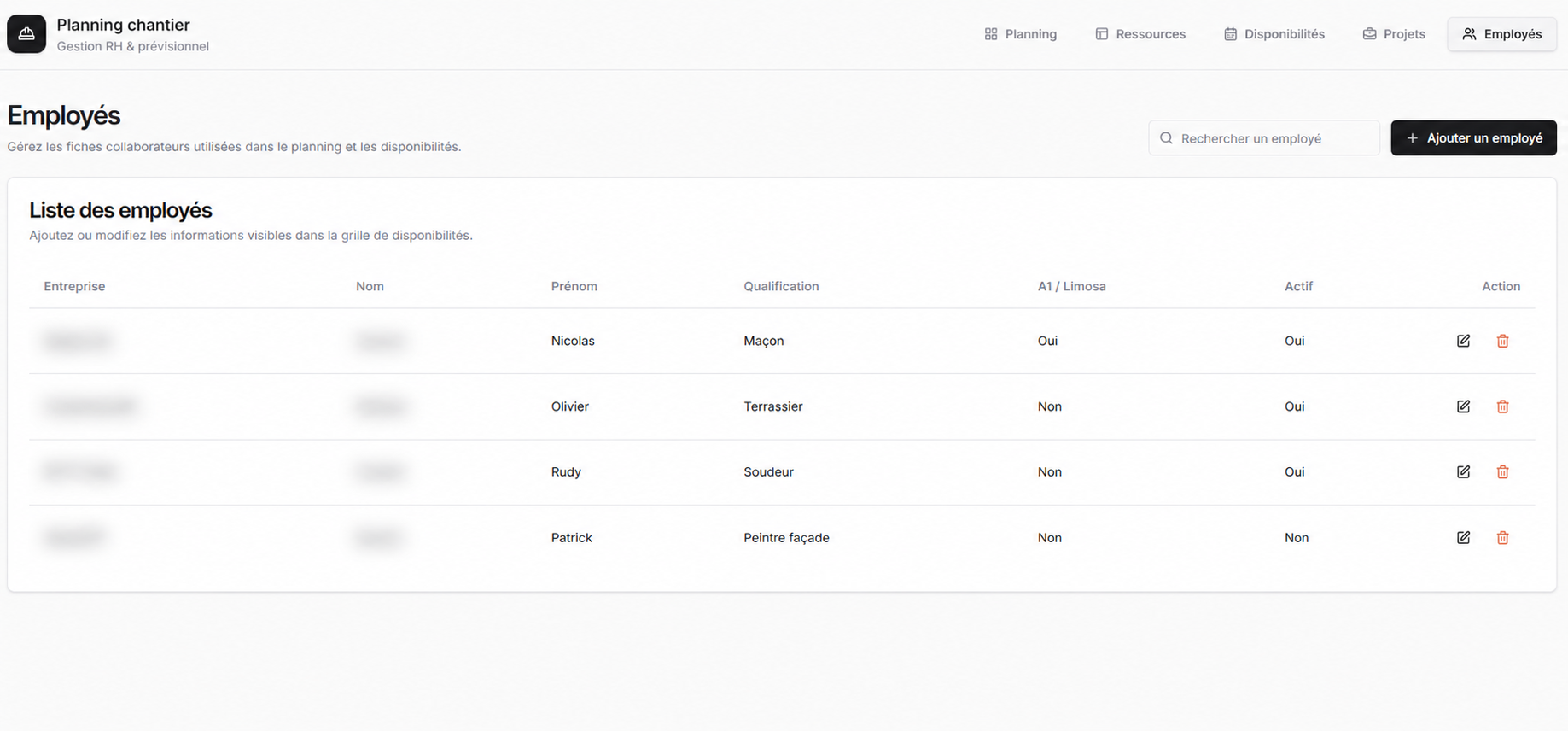
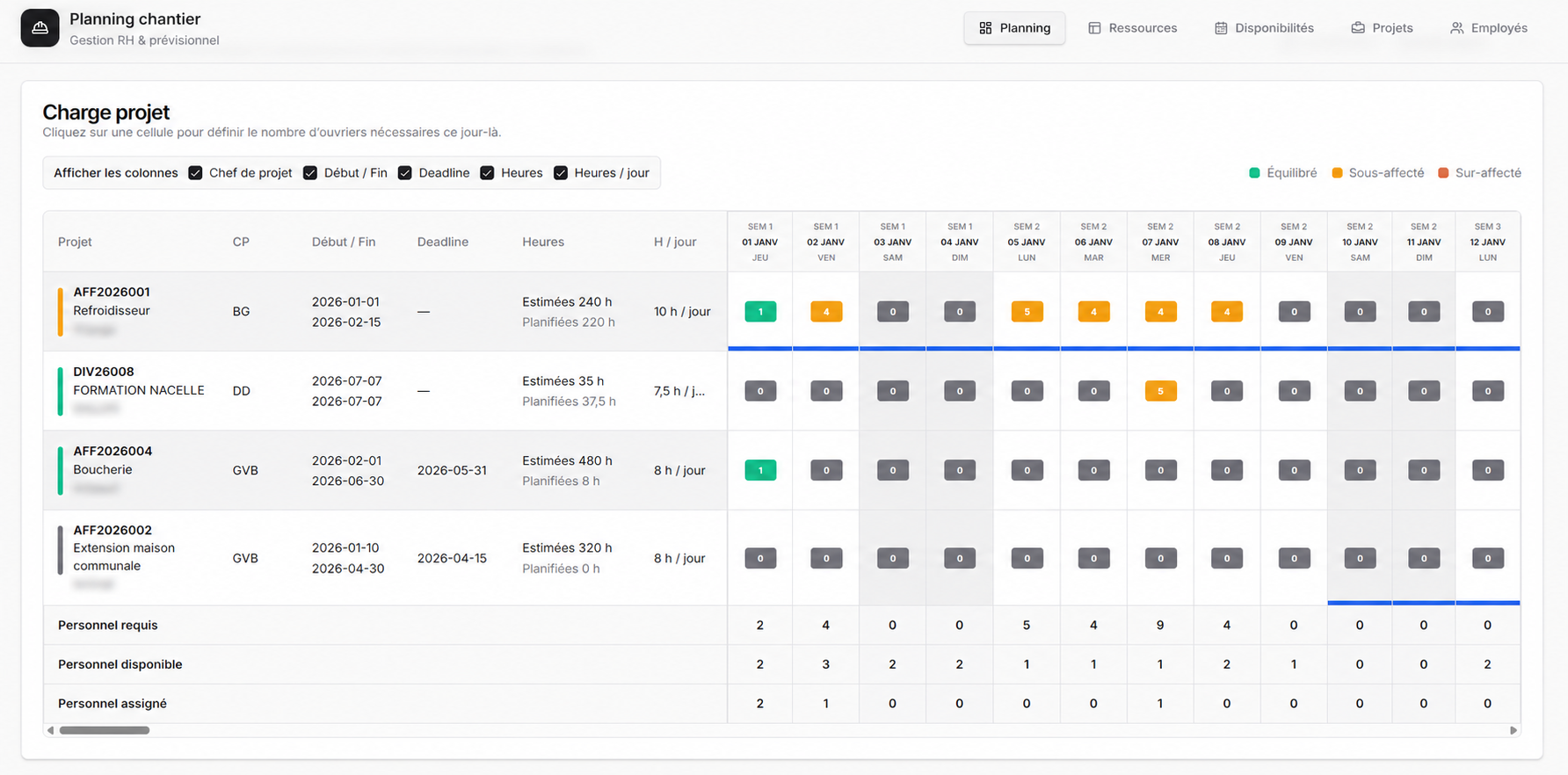
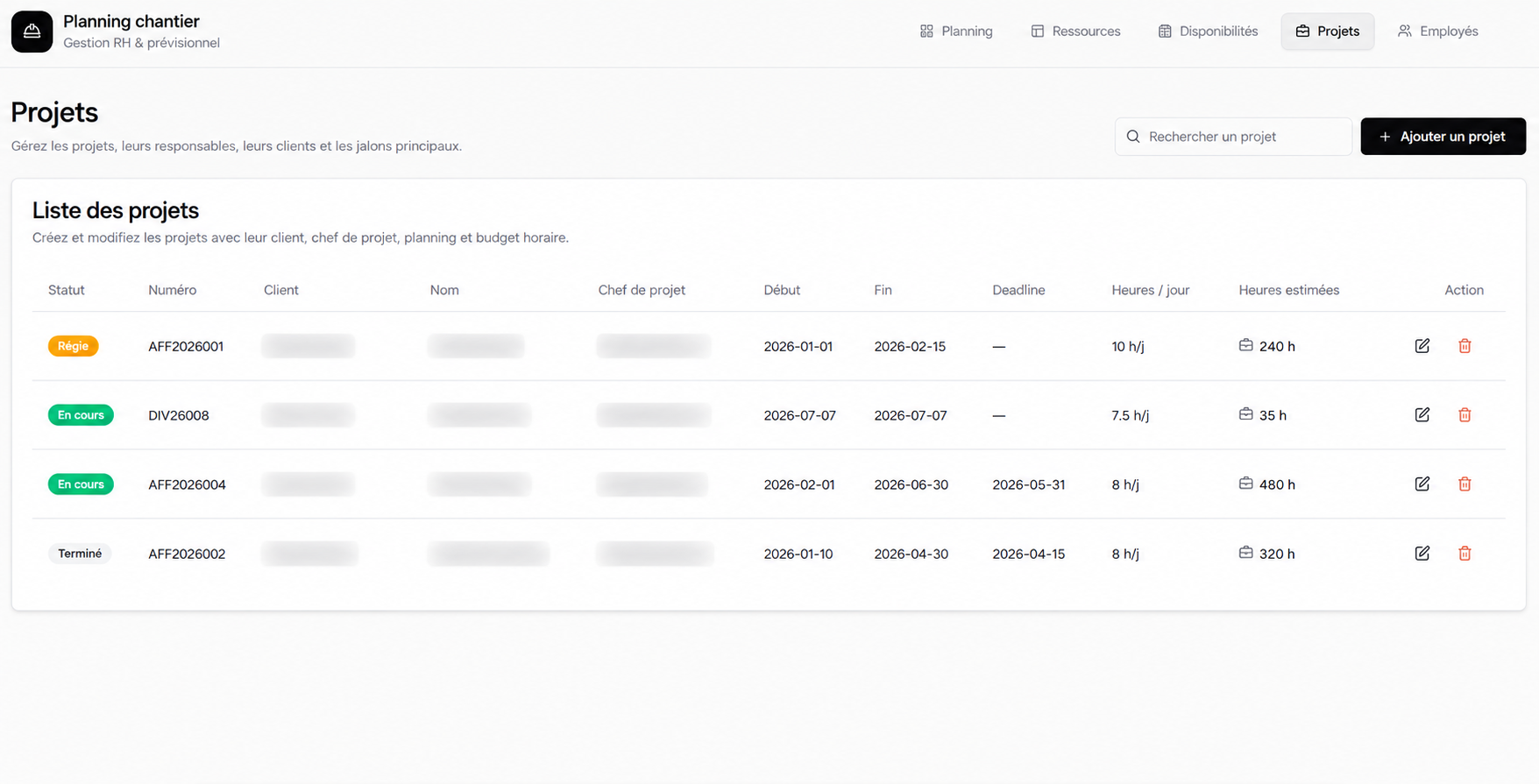
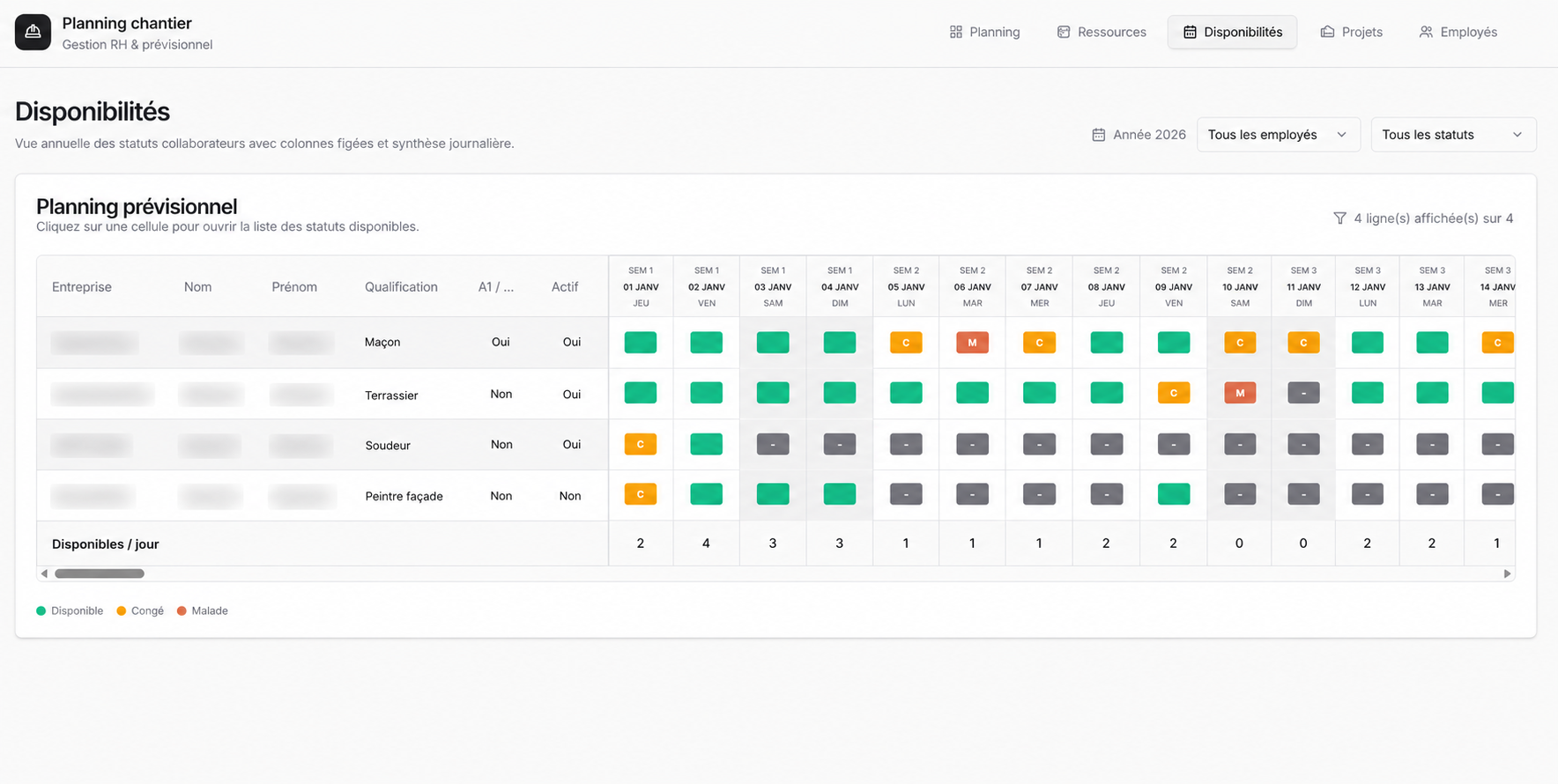
The project started on-site, based on the tool already used by the teams: an Excel file grouping employees, availability, projects, and their scheduling.
A working session at MTTT Grillo allowed us to review this existing tool, understand work habits, and challenge every requirement. The goal: to distinguish what was truly essential in order to define a clear and relevant initial scope.
The requirement did not call for a heavy management platform or all the features offered by standard market solutions. The choice was therefore made for a more targeted tool, structured around four needs: employees, projects, availability, and resource allocation.
A first version was completed in just a few days. The goal: to quickly obtain a concrete tool to test with a controlled initial investment, rather than spending several weeks developing a full solution before even validating its use in the field.
Retool was used to speed up the development of the solution. This low-code tool allows for direct connection to existing databases, APIs, and services, while maintaining a robust back-end data structure.
On the front-end, screens can be generated, adjusted, and enhanced quickly using AI-assisted vibe coding tools. This approach allows for faster iteration on the interface, especially following user feedback, while focusing efforts on business logic and data quality.
This initial version was then used for several weeks by a few employees at MTTT Grillo. The goal: to quickly put the tool to the test in the field, observe how it is used, and identify necessary adjustments before moving forward.
Several features have already been adapted based on this initial feedback. The solution continues to evolve gradually before being rolled out more broadly across the company.











.png)
.png)